Delphi Space residency

Jannuary 1st-9th

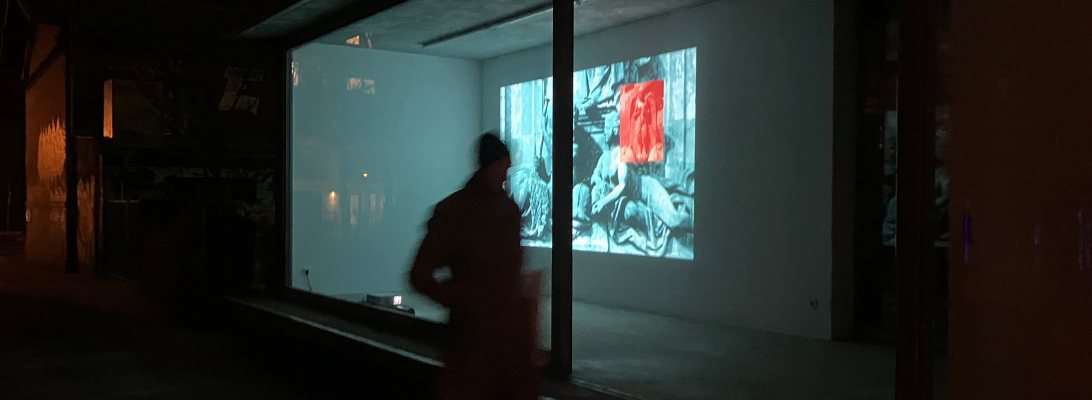
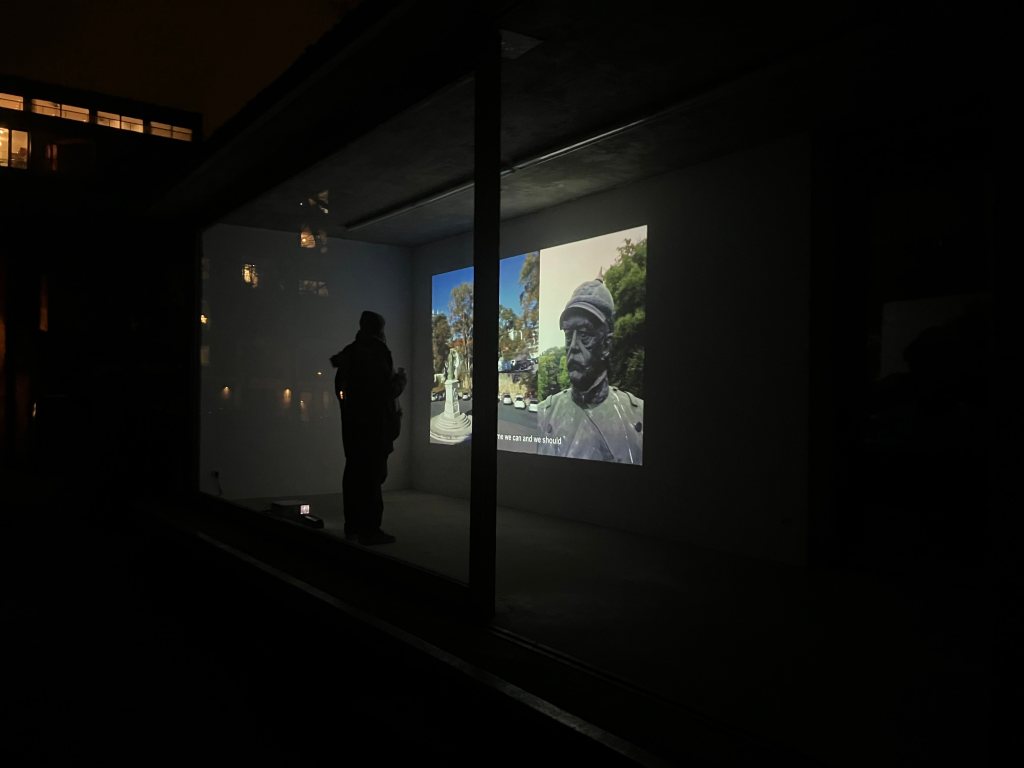
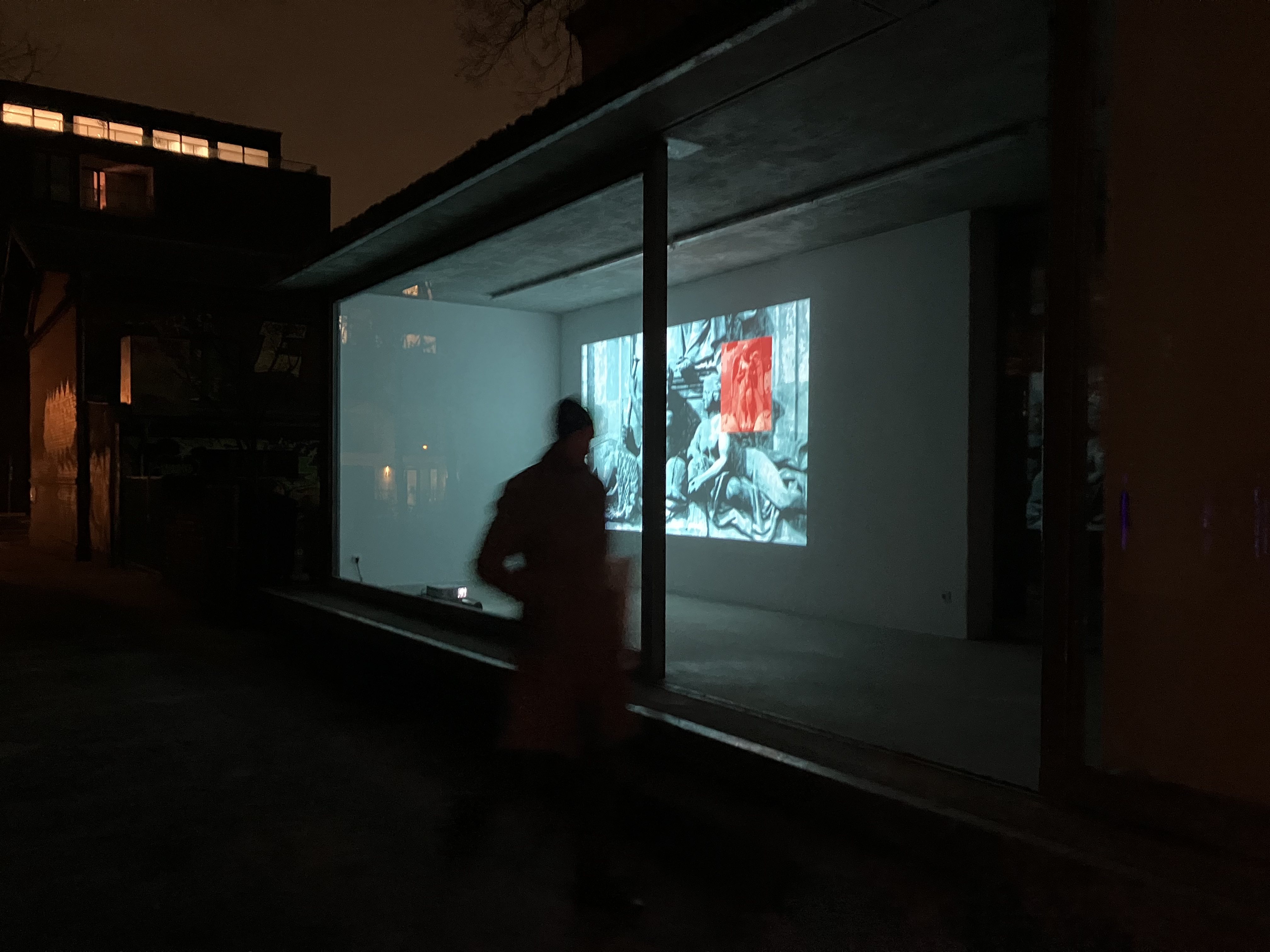
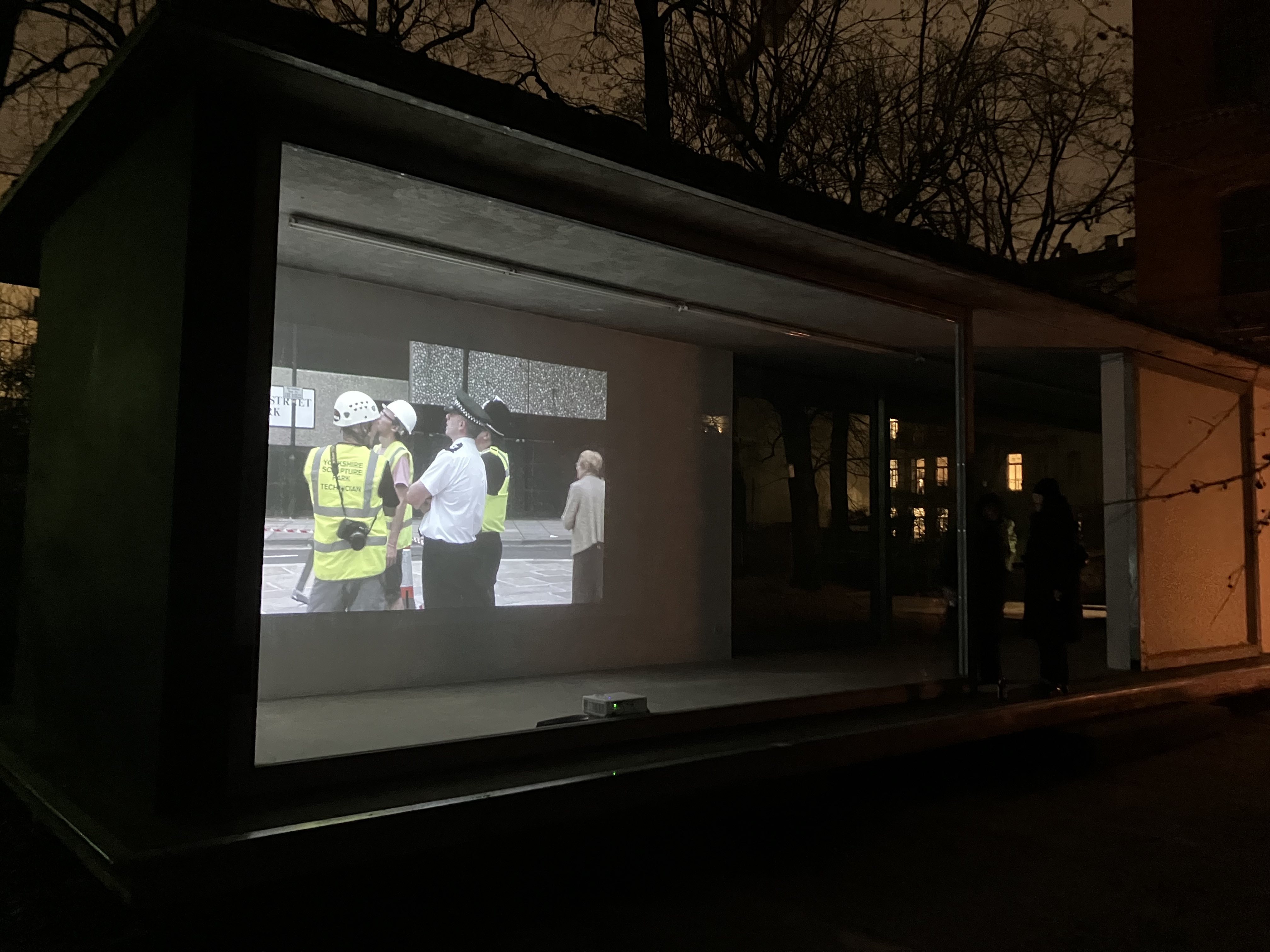
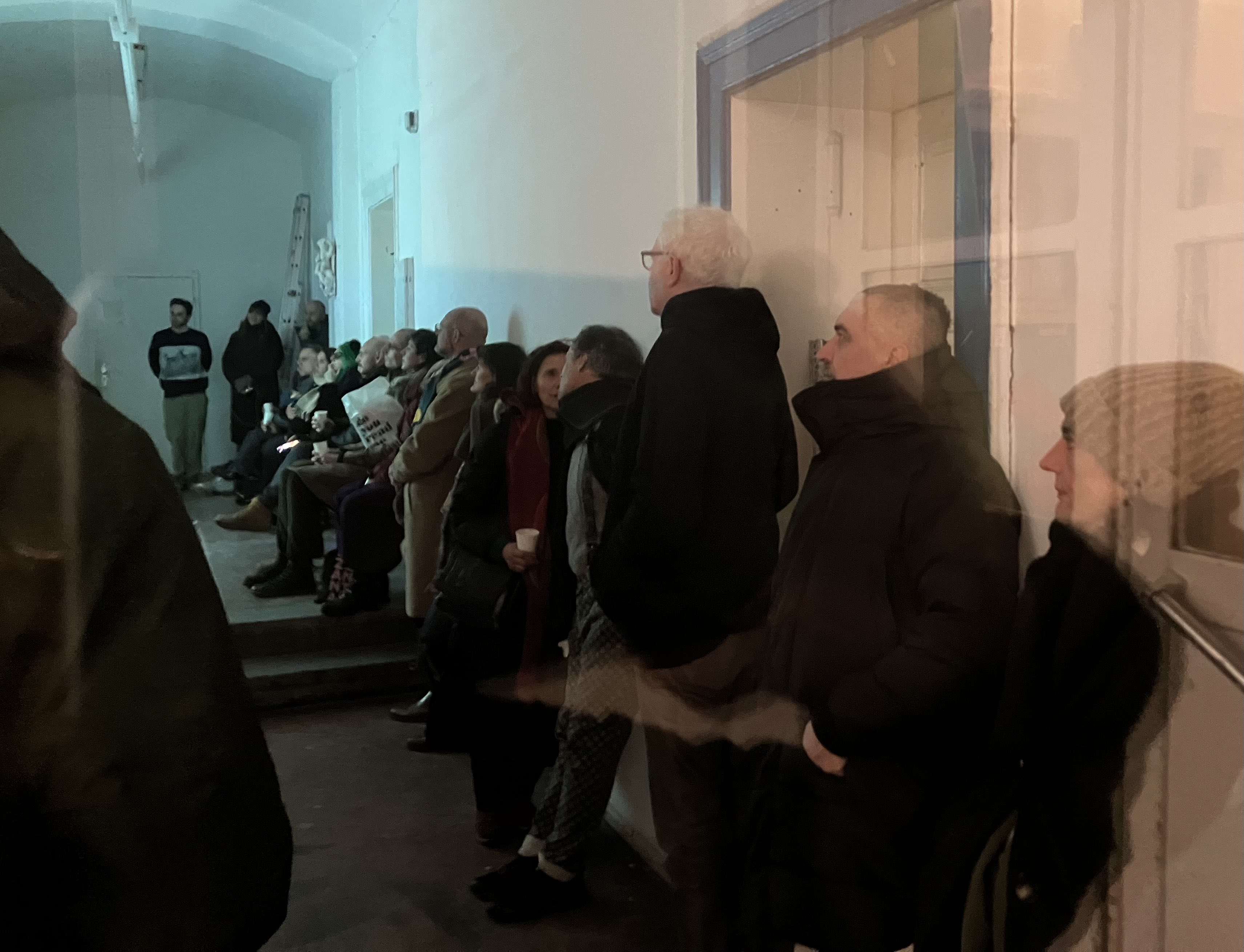
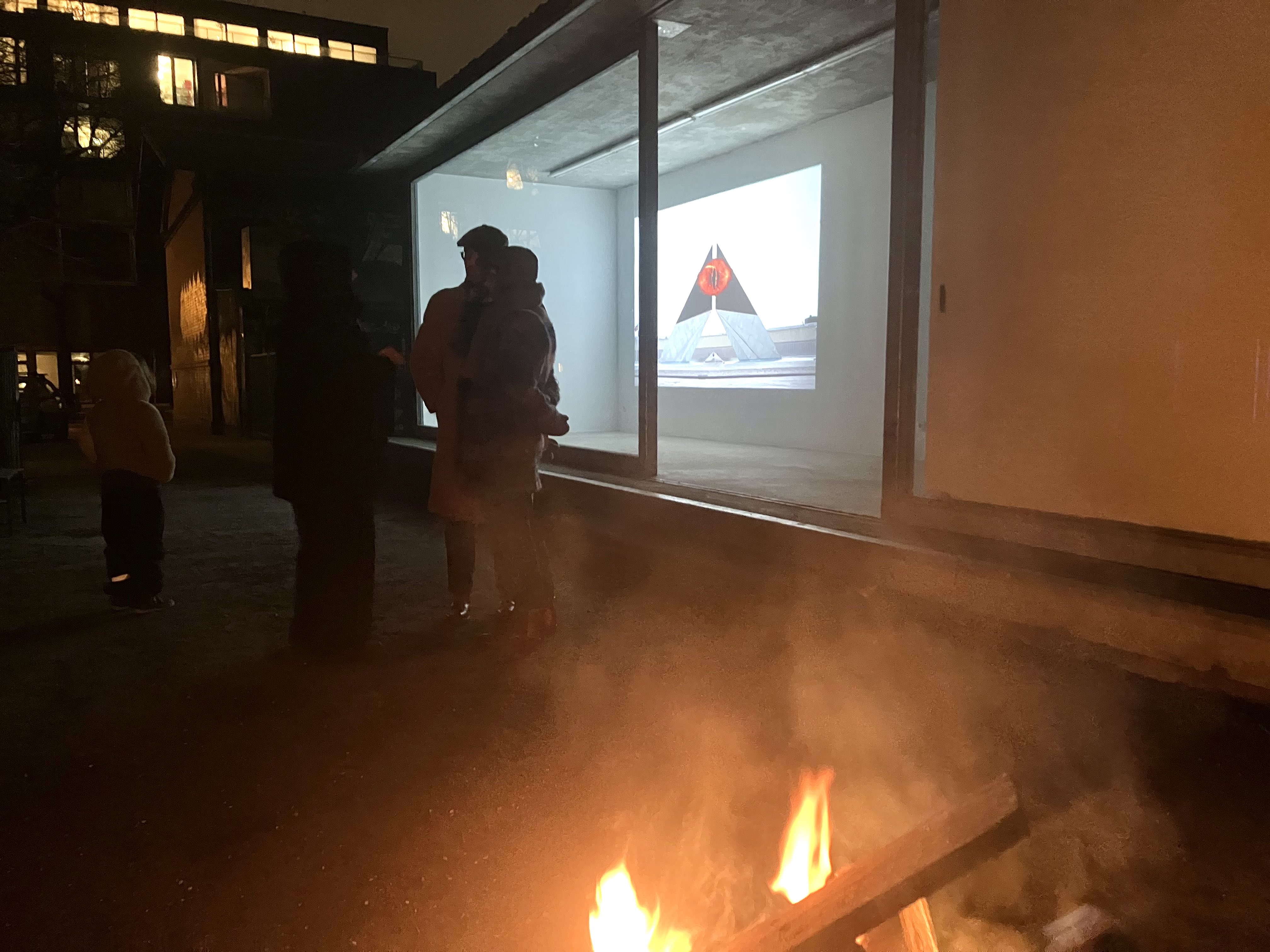
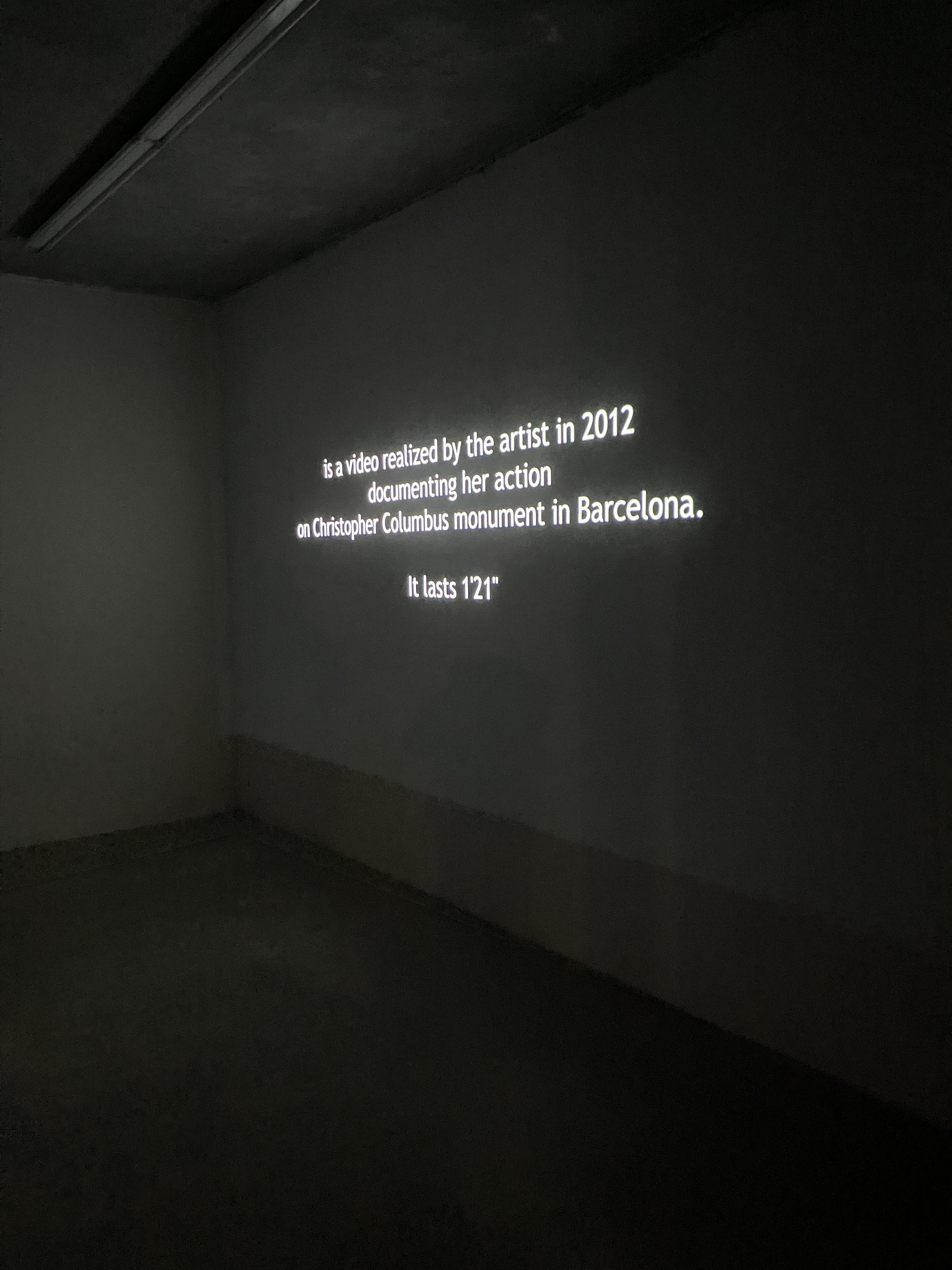
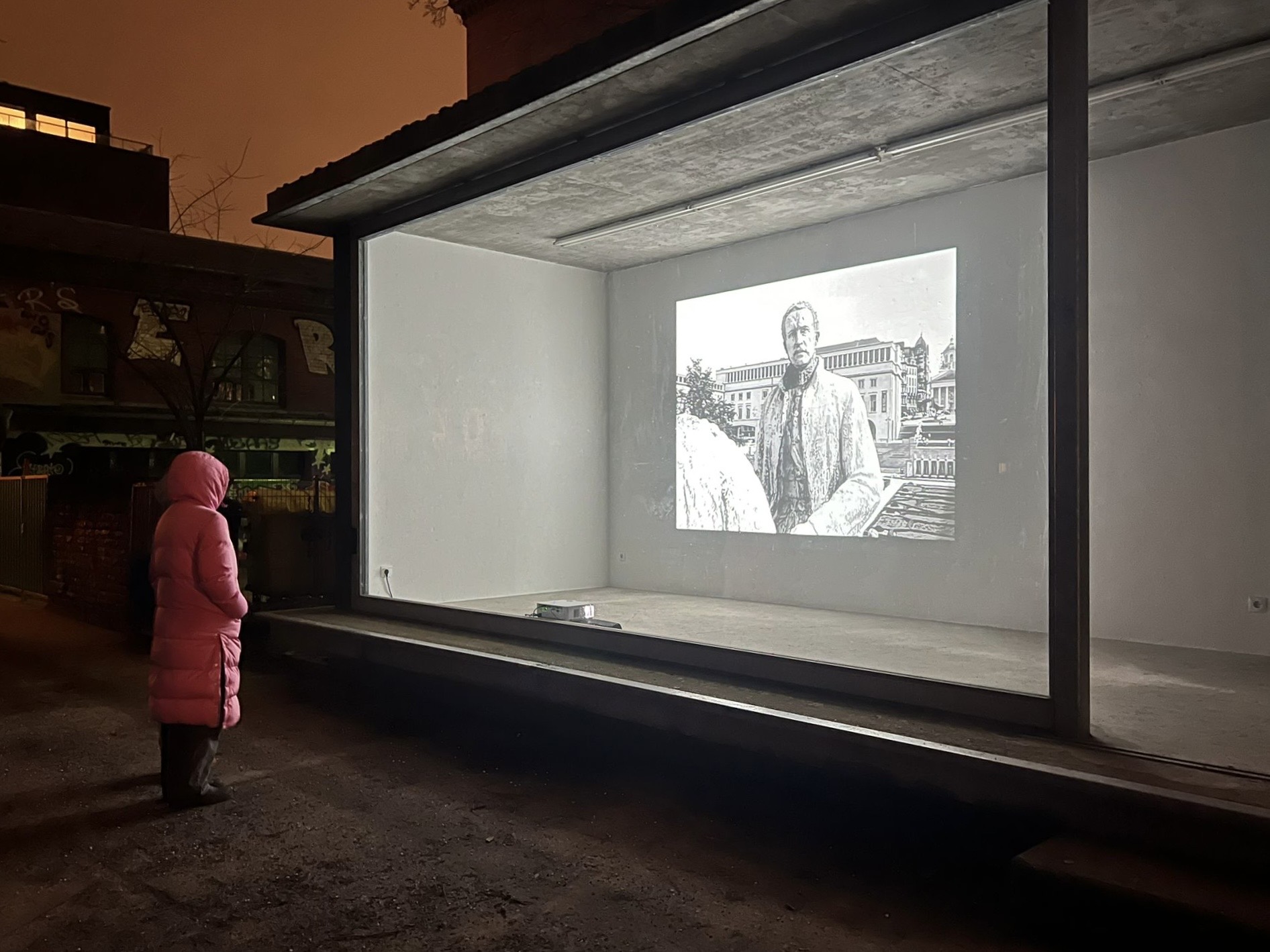
I’ve been in residency at Delphi_Space in Freiburg (Germany) to develop a new chapter of the Atlas of Bodies research.
I’m exploring water as a common good and an ecological space of coexistence.

The residency has been possible thanks to the 19th edition of nctm e l’arte Artists-in-Residence grant.

DELPHI_space is the context and the starting point for artist’s research, connecting her practice to local networks and communities planning workshops, actions, and public artworks presentation. DELPHI_space is an artistic platform for exhibitions and events in Freiburg im Breisgau. It has been presenting the work of regional, national and international artists since 2019. DELPHI_space also organises events in the fields of dance, architecture, film, philosophy and literature in cooperation with numerous partner institutions. The working method is based on the concept of the metaphorical bridge. Based on the historical site of Delphi, it connects cultures, disciplines and ways of thinking in the event spaces. Organised as a non-profit association, the work of the mainly voluntary team members focuses on cultural participation, interdisciplinarity and the artistic exploration of historical and contemporary issues.

SulLa stupidità della filosofia

Happening-Symposium at Curvapura, Rome 2025.
From Monday 13 January at 14:00 to Tuesday 14 January at 21:00

DIALOGOS PART EIGHT is a relational project by Ermanno Cristini and Giancarlo Norese, developed by Pasquale Polidori in the operational forms of a symposium ON THE STUPIDITY OF PHILOSOPHY in compositional dialogue and curated by Michela Becchis.


Artists: Elisa Allegretti and Giovanna Fiacco, Sonia Andresano, Alessia Armeni, Artisti§Innocenti, Paolo Assenza, Michela Becchis, Elena Bellantoni, Sara Bernabucci, Café Brecht, Valentino Canclini, Elio Castellana, Gianluca Codeghini, Franco Cenci, Chiara Ceroni, Sara Ciuffetta, collettivo damp, Ermanno Cristini, Simona Da Pozzo and Roberto Fiorentini, Ferruccio De Filippi, Iolanda Di Bonaventura, Matteo Di Cintio, Maria Cristina Galli, Tilla Giro, Francesca Gironi, Piotr Hanzelewicz and Sonia Marcone, Anahi Mariotti, Rita Marotta & Pseudo Cartesio, Claudia Melica, Jacopo Natoli, Giancarlo Norese, Matteo Paolucci, {Ugo Piccioni, CMDK10086}, Pasquale Polidori, Nicola Rotiroti, Marcello Sambati, Luca Scarabelli, Gabriele Siniscalco, Antonio Syxty, Luisa Turuani, Delphine Valli, Marco Vitale, Ambra Viviani, Michele Zaffarano, Yihan Zhang, Yiyang Lena Zhou. Con la gentile collaborazione di: Chiara De Angelis, Giuseppe Garrera, Marco Santarelli, Fabrizio Scrivano. Documentazione video: Angelo Marotta, Emanuele Redondi.

books recIpes Artists Cooking

1 December 2024 at 11 a.m., Libreria Palazzo Esposizioni, Rome
On Sunday I will take part in the talk presenting Book Recipes Artists Cooking, the book published by Corraini to which 80 artists contributed.

‘Among them,’ as Pietro Gaglianò writes, “are all of Scripta’s guests, together with beloved friends, assiduous visitors to the bookshop and its programmes, people who have passed through and who remain ever-present, together with others who have never been to BRAC but who, through virtuous or virtual ties, through friendship or affinity, form a fundamental part of its universe of art, books and words”.

For fifteen years, the BRAC bookshop in Florence has been combining good vegetarian and vegan cuisine and publishing dedicated to the languages of contemporary art. A formula that is an expression of the passions of the two owners, Sacha and Melisa: an imaginative chef specialising in vegetarian and vegan cuisine in love with comics and illustration and a bibliophile with an interest in contemporary art in all its forms of expression (art, theatre, dance, cinema, photography).

Since its opening in 2009 to date, BRAC has organised and hosted around 1,800 meetings and book presentations, and promoted and realised several festivals, events and exhibitions. This volume collects 80 recipes, born and served within BRAC, entrusted to the free interpretation of 78 contemporary artists.

Il Corpo di Napoli: un dialogo pubblico tra effimero e permanente

27 NOVEMBER, Sala Grande of Gallerie d’Italia – Naples Intesa Sanpaolo museum from 4.45 to 6.00 p.m.

Presentation of the studies and round table discussion The Corpo di Napoli: a public dialogue between ephemeral and permanent, with Simona Da Pozzo (Visual Artist), Yasmine Rihahi (Research Fellow at the University for Foreigners of Siena) and Maria Gaia Redavid (Department of History Anthropology Religions Performing Arts, Sapienza University of Rome).

The talk is part of Storie in Movimento: Dialoghi e Percorsi sulle Vite del Patrimonio Culturale Diffuso, from 25 November to 1 December 2024. From an idea by Francesca Amirante | Curated by Nicola Ciancio (for Ex-Voto) | Scientific direction by Francesca Amirante | Promoted and financed by the City of Naples | Coordination and production Ex-Voto.

Following this meeting, will take place in addition:

The presentation Di fronte all’Antico, andata e ritorno: porcellane napoletane del Settecento e diffusione europea dei motivi pompeiani with Paola D’Alconzo (Associate Professor of Museology, Art Criticism and Restoration, University of Naples Federico II, Department of Humanistic Studies).

The presentation Giro Giro Tondo by artist Diego Cibelli.

The dialogue La ceramica patrimonio immateriale tra storia, innovazione e formazione with Paola D’alconzo, Diego Cibelli and Valter Luca De Bartolomeis (Headmaster Polo delle Arti Caselli Palizzi of Naples).

Through an open dialogue, the intervention aims to analyse some possible interactions between the monuments, the city and its inhabitants, using a multidisciplinary approach, starting from the project Atlas of Bodies (2019-in-progress) that the artist Simona Da Pozzo is conducting on the Corpo di Napoli monument.

The starting point is the reconstruction of the artistic, social and anthropological history of the statue from the Alexandrian age, the interpretations attributed to it over time and its relationship with the urbe, which has changed over the centuries. A ‘palimpsest of compositional experiences’, as has been said (Middione, 1993), but also human and social.

From the investigation of the past, one arrives at the work in progress Atlas dei Corpi: a context-specific workshop open to the public and realised in several moments in which a new ‘alliance’ with the statue of the Nile is sought. The artist comes into contact with the possible interpretations of the monument, both the historical and already consolidated ones and the most current beliefs, for a stratified and polycentric narration, which denies any hierarchy and renews the relationship with the public space through participatory practices.

What is the possible relationship between cultural heritage and everyday life? Is it possible to rethink urban space through the artistic dimension?

How to preserve the memory of this kind of inarchivable practice in a systematic way?

The conversation between the artist and the art historians aims to seek, also through an exchange with the public, possible answers to still open questions, in the encounter between theory and artistic practice, between history and production, material and immaterial.

Reservations here on eventbrite

Anjmot at Connecting Cultures

Animot presentation ‘Rights and visions. Non-human animals and law’.

26 November at 6.30 p.m.
On Tuesday, Connecting Cultures will host in its spaces at the Fabbrica del Vapore, the first Milanese presentation of the latest issue of Animot Rights and Visions Non-human Animals and Law edited by Monica Gazzola.

Speakers will be: Gabi Scardi, Valentina Avanzini, Martina Macchia, Monica Gazzola, Simona Da Pozzo, Maria Cristina Giussani, Simona Segre Reinach e Ginevra Quadrio Curzio

Crediti immagine: Simona Da Pozzo, de Bruchis

Animot is a semi-annual journal founded in 2017 that deals with animality studies, focusing in particular on non-human animals (Animal Studies) and, consequently, on a non-speciesist idea of humanity. The journal stands as a tool for exploration that intersects philosophy and architecture, natural sciences and art history, political theory and literature.

Now in its tenth year, Animot returns to question one of its founding themes: the rights of non-human animals or, even better, the way in which our relationship with animality fits into a sphere in which, as Monica Gazzola writes, the non-human presence is invariably found to be aphonic.

In particular, the theme of the trial will be addressed as the place of the triumph of the power of the human word, the place of debate but also of accusation, of condemnation but also of shared reasoning on a common Justice. Historically, the law has always expressed itself on the use and life of animals without ever questioning their perspective. Hence Animal Studies takes the form of a tool for the investigation of our contemporaneity aimed at investigating an idea of humanity that is fully aware of its interdependence with other species.

Prospettive animali / Animot

Mercoledì 25 settembre 2024, H.18.30 c/o Quartiere IntelligenteScala Montesanto, 3 80135 – Napoli

L’incontro Prospettive Animali parte dalla volontà e necessità di presentare a Napoli il lavoro di Animot. Dal 2017 la rivista semestrale attiva un dialogo che coinvolge practicioners e teorici di diverse discipline umanistiche e scientifiche per ricollocare noi animali umani all’interno di una prospettiva animale più amplia e ripensare la nostra posizione nel mondo.

Una tavola rotonda aperta per esplorare il ruolo della creatività nello stimolare questo cambio di prospettiva coinvolgendo trasversalmente artisti, biologi, imprenditori della moda e culturali.

Oltre a Valentina Avanzini e Gabi Scardi, all’incontro saranno presenti: Marco Abbro e Francesca Cocco (fondatori Scobyskin), Maria Cristina Di Stasio (fondatrice Quartiere Intelligente), Maria Battistino (fondatrice Le cose belle), Simona Da Pozzo (artista), Igor Grubic (artista), Simona Segre-Reinach (docente di Cultura della Moda). L’incontro sarà moderato da Nicola Ciancio.

Prospettive Animali è il quarto appuntamento del ciclo di incontri a scadenza libera Conversazioni Domestiche per Azioni Pubbliche, curato da Nicola Ciancio e promosso da Ex-Voto in collaborazione con Animot Quartiere Intelligente.

Interspazio / Invisible cities

5-8 September 2024 Gradisca d’Isonzo

The third episode of INTERSPAZIO took place at Invisible Cities: the Festival curated by Associazione Quarantasettezeroquattro partner of INTERSPAZIO project together with Lavanderia a Vapore, Zona K, Periferico Festival and Orlando Festival.
In this context, our work raised questions about the relationship between the publicness and entertainment, both from a fruition and political perspective.

Preennial of Water // È arrivata l’acqua

June 23 – July 7, 2024

Ex-Lanificio, Scala A 2°Piano, Porta Capuana, Naples

The Preennial of Water is a trans-disciplinary gathering that explored local and international relations to create a new grassroots Biennale of Water that will take place in Naples in 2026. The leading partners of the project invited artists, architects, activists, writers, researchers, designers, planners and others to imagine, discuss, create and design effective and durable responses to a range of social and environmental issues relating to water. In the context of the Commoning Lab, many stories, interests, practices and desires emerged. On July 4th, the collective reflections have been presented via the exhibition È arrivata l’acqua to which the community activated during the workshop contributed.

The partners leading this long term project are: Laboratorio Architettura Nomade, CoolCity, Commonspace, Common Views, together with Casaforte, ABC Water Company, Made in Cloister, Laboratorio di Urbanistica e Progettazione Territoriale University Federico II Naples.

wild edibles

Together with Ali Kemal Ertem (Maquis Projects), we proposed to the visitors to transform a meadow in front of Porta Capuana in to a (most likely ephemeral) botanical garden of wild edible herbs. This action, Wild Edibles is a simple seed we hope will sprout in some unpredictable way. The action roots in Ali Kemal’s Maquis Project and has born in conversation with Maria Pina Usai during the Common Lab.

The aim of this small intervention is to create, nurture and promote knowledge about a local, drought-resistant foragable zone. To achieve this, we are designating this small park as an extension of the formal institutional botanic garden of Naples.

In doing so we hope to highlight the potential of this humble site as a valuable study area in the city, serving as an experimental resource for all who experience it, and demonstrating the resilience and ecological benefits of native plant species. This will underscore the importance of drought-resistant indigenous flora in sustainable landscape planning for liveable cities. It is particularly important as it relates to water management by city authorities at a time when the stress of our changing climate and related water supply scarcities are causing many city authorities to limit or ignore water needs of parks and public water amenities. The degradation of these amenities can only add to the sense of public anxiety related to climate change.

The dry fountain that stands close to the site of our action serves as one more reminder of the ecological crisis which the world faces right now. Our project aims to contribute to a healing process – as we reconsider and plan our cities in a way that respects and works in harmony with the land, water, flora and fauna around us. ‎