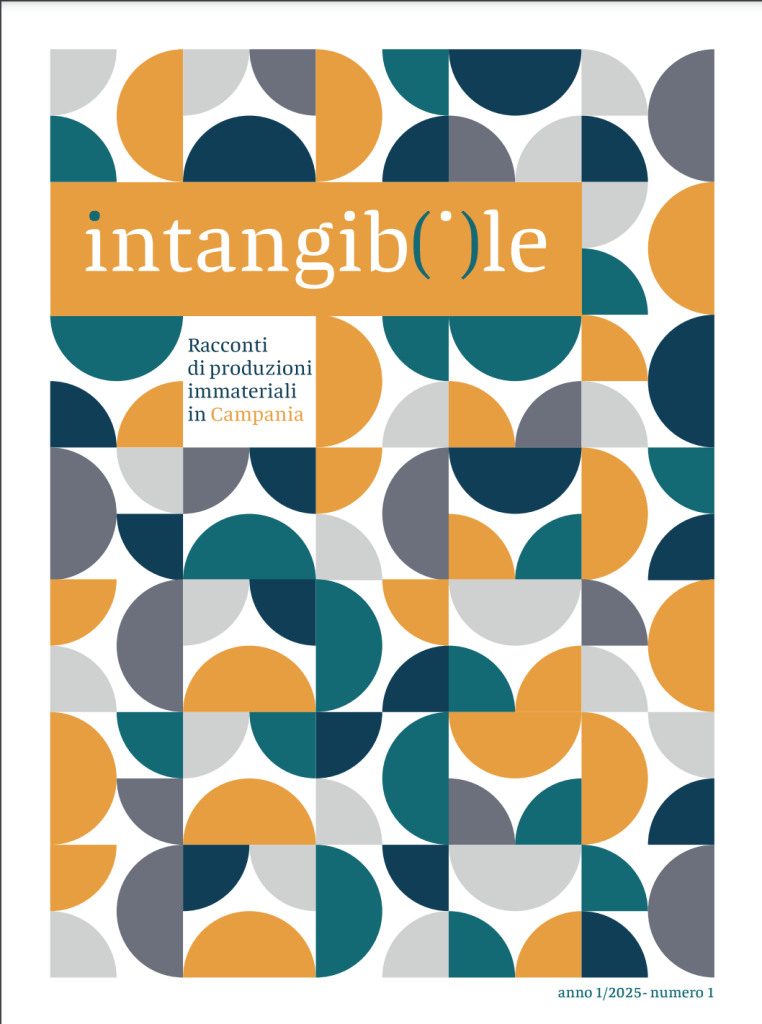
At the link you can find the first issue of the digital magazine intangib(i)le to which I had the pleasure of contributing a text and images part of my research Atlas dei Corpi.
intangib(i)le is a publishing project of L’Arsenale di Napoli, directed by Marco Izzolino and dedicated to intangible cultural heritage for a diffuse museum of the intangible. Year 1/2025, ed Alos Sas.
Al link potete trovare il primo numero della rivista digitale intangib(i)le alla quale ho avuto il piacere di contribuire con un testo e delle immagini parte della mia ricerca Atlas dei Corpi.
intangib(i)le è un progetto editoriale de L’Arsenale di Napoli, diretto da Marco Izzolino e dedicato al patrimonio culturale immateriale per un museo diffuso dell’intangibile. Anno 1/2025, ed Alos Sas.
Dispac Unisa, Fondazione Filiberto e Bianca Menna, Salerno
Studio Visit con collettivo damp, Giulio Delvè e Simona Da Pozzo organizzato nell’ambito del Laboratorio di curatela tenuto dal dott. Gianpaolo Cacciottolo per le studentesse e gli studenti della laurea magistrale in storia e critica d’arte dell’Università di Salerno
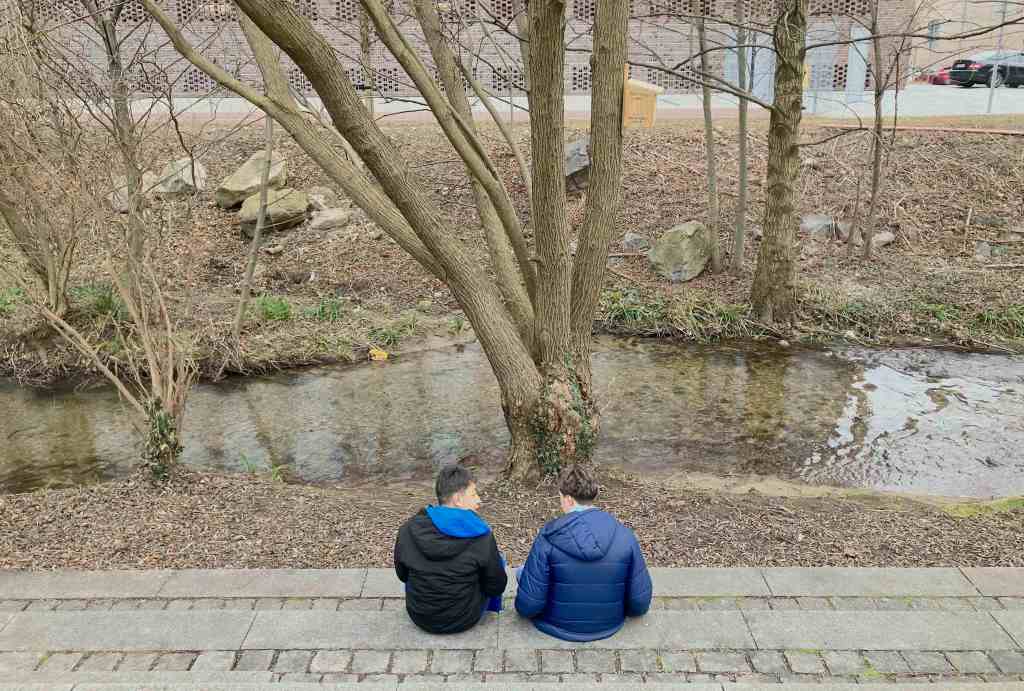
I’ve been in residency at Delphi_Space in Freiburg (Germany) to develop a new chapter of the Atlas of Bodies research. I’m exploring water as a common good and an ecological space of coexistence.
The residency has been possible thanks to the 19th edition of nctm e l’arteArtists-in-Residence grant.
DELPHI_space is the context and the starting point for artist’s research, connecting her practice to local networks and communities planning workshops, actions, and public artworks presentation. DELPHI_space is an artistic platform for exhibitions and events in Freiburg im Breisgau. It has been presenting the work of regional, national and international artists since 2019. DELPHI_space also organises events in the fields of dance, architecture, film, philosophy and literature in cooperation with numerous partner institutions. The working method is based on the concept of the metaphorical bridge. Based on the historical site of Delphi, it connects cultures, disciplines and ways of thinking in the event spaces. Organised as a non-profit association, the work of the mainly voluntary team members focuses on cultural participation, interdisciplinarity and the artistic exploration of historical and contemporary issues.
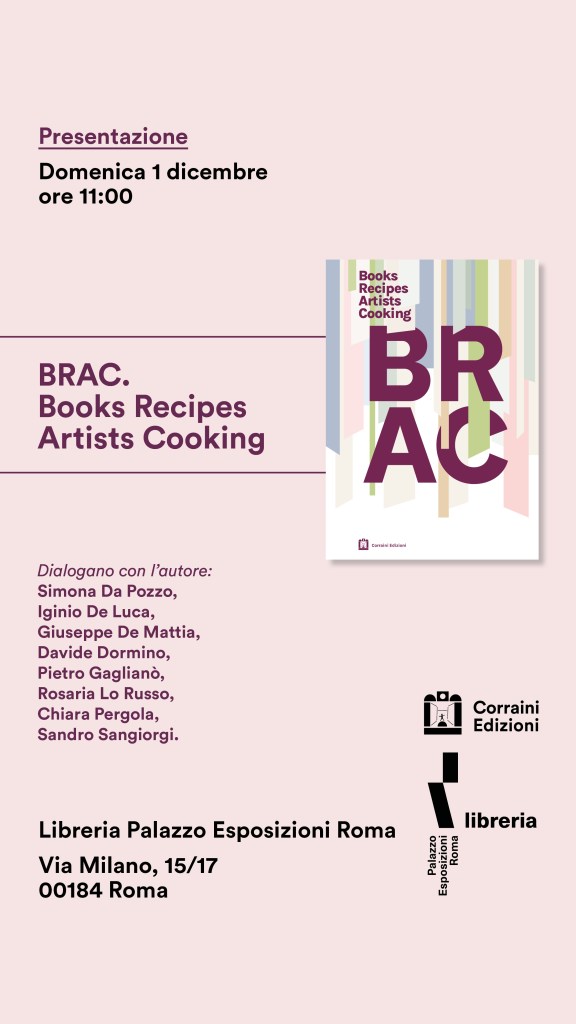
1 December 2024 at 11 a.m., Libreria Palazzo Esposizioni, Rome On Sunday I will take part in the talk presenting Book Recipes Artists Cooking, the book published by Corraini to which 80 artists contributed.
‘Among them,’ as Pietro Gaglianò writes, “are all of Scripta’s guests, together with beloved friends, assiduous visitors to the bookshop and its programmes, people who have passed through and who remain ever-present, together with others who have never been to BRAC but who, through virtuous or virtual ties, through friendship or affinity, form a fundamental part of its universe of art, books and words”.
For fifteen years, the BRAC bookshop in Florence has been combining good vegetarian and vegan cuisine and publishing dedicated to the languages of contemporary art. A formula that is an expression of the passions of the two owners, Sacha and Melisa: an imaginative chef specialising in vegetarian and vegan cuisine in love with comics and illustration and a bibliophile with an interest in contemporary art in all its forms of expression (art, theatre, dance, cinema, photography).
Since its opening in 2009 to date, BRAC has organised and hosted around 1,800 meetings and book presentations, and promoted and realised several festivals, events and exhibitions. This volume collects 80 recipes, born and served within BRAC, entrusted to the free interpretation of 78 contemporary artists.
27 NOVEMBER, Sala Grande of Gallerie d’Italia – Naples Intesa Sanpaolo museum from 4.45 to 6.00 p.m.
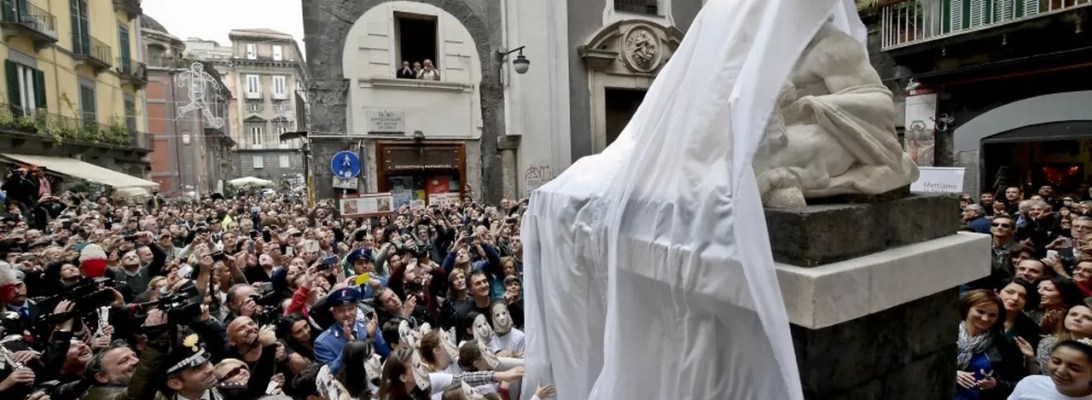
Presentation of the studies and round table discussion The Corpo di Napoli: a public dialogue between ephemeral and permanent, with Simona Da Pozzo (Visual Artist), Yasmine Rihahi (Research Fellow at the University for Foreigners of Siena) and Maria Gaia Redavid (Department of History Anthropology Religions Performing Arts, Sapienza University of Rome).
The talk is part of Storie in Movimento: Dialoghi e Percorsi sulle Vite del Patrimonio Culturale Diffuso, from 25 November to 1 December 2024. From an idea by Francesca Amirante | Curated by Nicola Ciancio (for Ex-Voto) | Scientific direction by Francesca Amirante | Promoted and financed by the City of Naples | Coordination and production Ex-Voto.
Following this meeting, will take place in addition:
The presentation Di fronte all’Antico, andata e ritorno: porcellane napoletane del Settecento e diffusione europea dei motivi pompeiani with Paola D’Alconzo (Associate Professor of Museology, Art Criticism and Restoration, University of Naples Federico II, Department of Humanistic Studies).
The presentation Giro Giro Tondo by artist Diego Cibelli.
The dialogue La ceramica patrimonio immateriale tra storia, innovazione e formazione with Paola D’alconzo, Diego Cibelli and Valter Luca De Bartolomeis (Headmaster Polo delle Arti Caselli Palizzi of Naples).
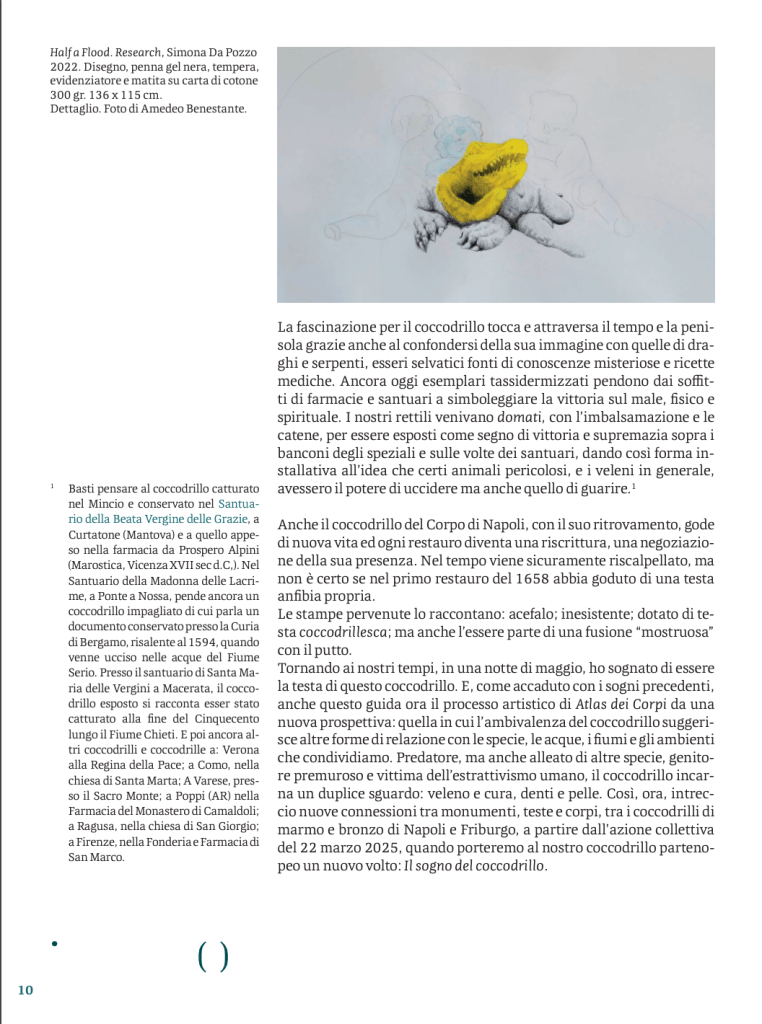
Through an open dialogue, the intervention aims to analyse some possible interactions between the monuments, the city and its inhabitants, using a multidisciplinary approach, starting from the project Atlas of Bodies (2019-in-progress) that the artist Simona Da Pozzo is conducting on the Corpo di Napoli monument.
The starting point is the reconstruction of the artistic, social and anthropological history of the statue from the Alexandrian age, the interpretations attributed to it over time and its relationship with the urbe, which has changed over the centuries. A ‘palimpsest of compositional experiences’, as has been said (Middione, 1993), but also human and social.
From the investigation of the past, one arrives at the work in progress Atlas dei Corpi: a context-specific workshop open to the public and realised in several moments in which a new ‘alliance’ with the statue of the Nile is sought. The artist comes into contact with the possible interpretations of the monument, both the historical and already consolidated ones and the most current beliefs, for a stratified and polycentric narration, which denies any hierarchy and renews the relationship with the public space through participatory practices.
What is the possible relationship between cultural heritage and everyday life? Is it possible to rethink urban space through the artistic dimension?
How to preserve the memory of this kind of inarchivable practice in a systematic way?
The conversation between the artist and the art historians aims to seek, also through an exchange with the public, possible answers to still open questions, in the encounter between theory and artistic practice, between history and production, material and immaterial.
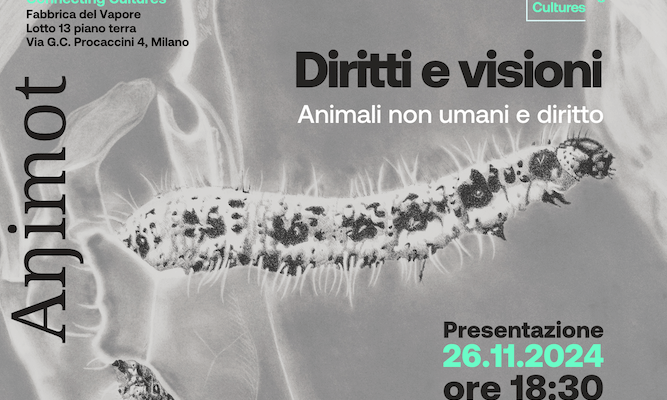
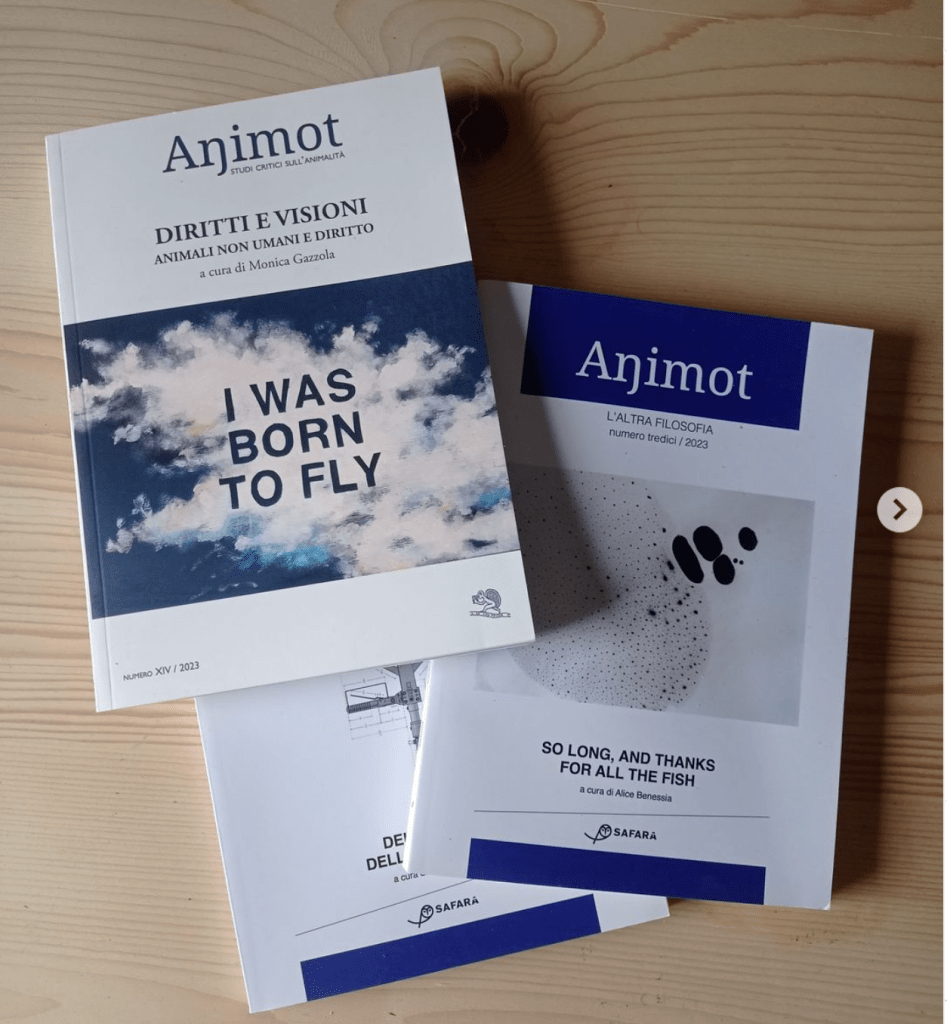
Animot presentation ‘Rights and visions. Non-human animals and law’.
26 November at 6.30 p.m. On Tuesday, Connecting Cultures will host in its spaces at the Fabbrica del Vapore, the first Milanese presentation of the latest issue of Animot Rights and Visions Non-human Animals and Law edited by Monica Gazzola.
Speakers will be: Gabi Scardi, Valentina Avanzini, Martina Macchia, Monica Gazzola, Simona Da Pozzo, Maria Cristina Giussani, Simona Segre Reinach e Ginevra Quadrio Curzio
Crediti immagine: Simona Da Pozzo, de Bruchis
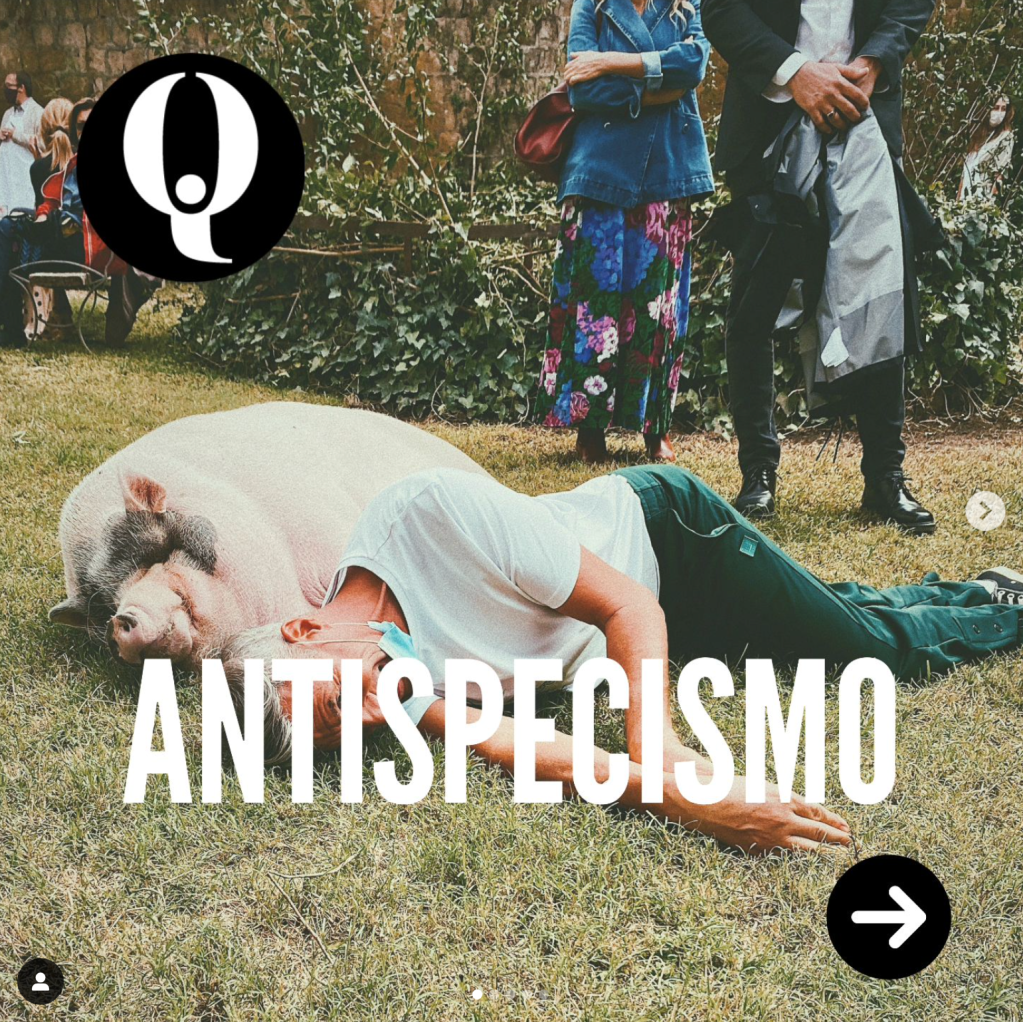
Animot is a semi-annual journal founded in 2017 that deals with animality studies, focusing in particular on non-human animals (Animal Studies) and, consequently, on a non-speciesist idea of humanity. The journal stands as a tool for exploration that intersects philosophy and architecture, natural sciences and art history, political theory and literature.
Now in its tenth year, Animot returns to question one of its founding themes: the rights of non-human animals or, even better, the way in which our relationship with animality fits into a sphere in which, as Monica Gazzola writes, the non-human presence is invariably found to be aphonic.
In particular, the theme of the trial will be addressed as the place of the triumph of the power of the human word, the place of debate but also of accusation, of condemnation but also of shared reasoning on a common Justice. Historically, the law has always expressed itself on the use and life of animals without ever questioning their perspective. Hence Animal Studies takes the form of a tool for the investigation of our contemporaneity aimed at investigating an idea of humanity that is fully aware of its interdependence with other species.
Mercoledì 25 settembre 2024, H.18.30 c/o Quartiere Intelligente– Scala Montesanto, 3 80135 – Napoli
L’incontro Prospettive Animali parte dalla volontà e necessità di presentare a Napoli il lavoro di Animot. Dal 2017 la rivista semestrale attiva un dialogo che coinvolge practicioners e teorici di diverse discipline umanistiche e scientifiche per ricollocare noi animali umani all’interno di una prospettiva animale più amplia e ripensare la nostra posizione nel mondo.
Una tavola rotonda aperta per esplorare il ruolo della creatività nello stimolare questo cambio di prospettiva coinvolgendo trasversalmente artisti, biologi, imprenditori della moda e culturali.
Oltre a Valentina Avanzini e Gabi Scardi, all’incontro saranno presenti: Marco Abbro e Francesca Cocco (fondatori Scobyskin), Maria Cristina Di Stasio (fondatrice Quartiere Intelligente), Maria Battistino (fondatrice Le cose belle), Simona Da Pozzo (artista), Igor Grubic (artista), Simona Segre-Reinach (docente di Cultura della Moda). L’incontro sarà moderato da Nicola Ciancio.
Prospettive Animali è il quarto appuntamento del ciclo di incontri a scadenza libera Conversazioni Domestiche per Azioni Pubbliche, curato da Nicola Ciancio e promosso da Ex-Voto in collaborazione con Animote Quartiere Intelligente.
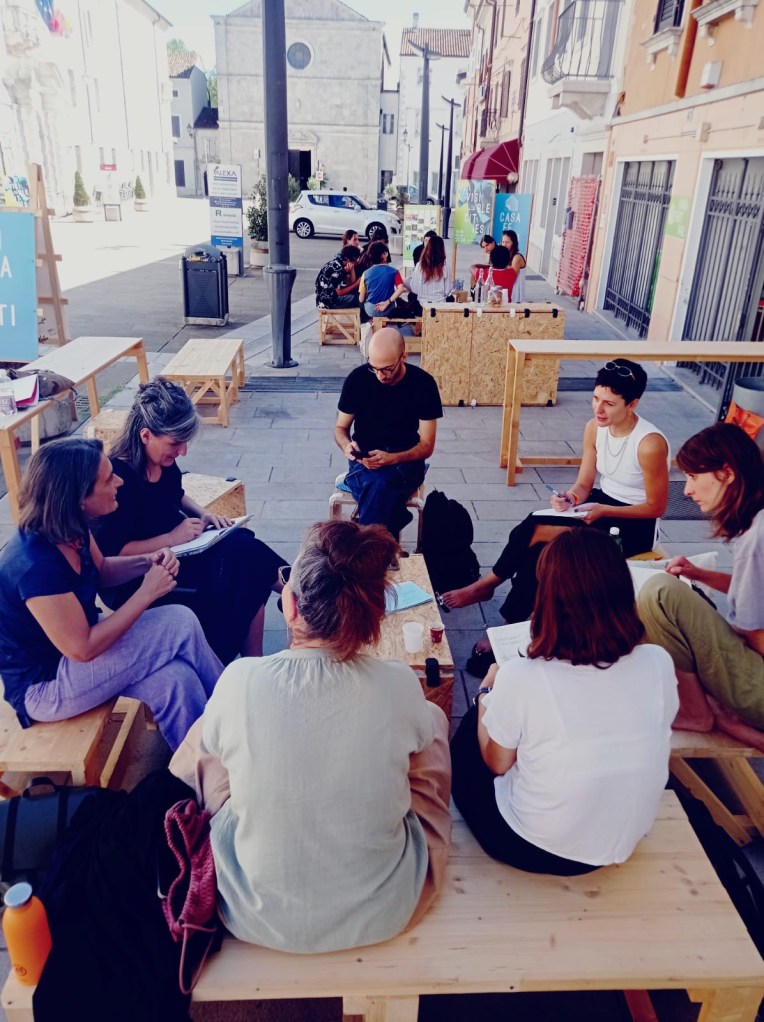
The third episode of INTERSPAZIO took place at Invisible Cities: the Festival curated by Associazione Quarantasettezeroquattro partner of INTERSPAZIO project together with Lavanderia a Vapore, Zona K, Periferico Festival and Orlando Festival. In this context, our work raised questions about the relationship between the publicness and entertainment, both from a fruition and political perspective.