Exhibition on Visualcontainertv from APRIL 21st until JUNE 1st 2021
Artists: Alicia Jeannin, Lucy Cordes Engelman, Agata Jastrząbek Filarowska, Risk Hazekamp, Simona Da Pozzo, Paz Ortúzar, Felipe Muhr & Diego Muhr, Kaat Van Doren, Anna Housiada, Pierre-Antoine Vettorello.
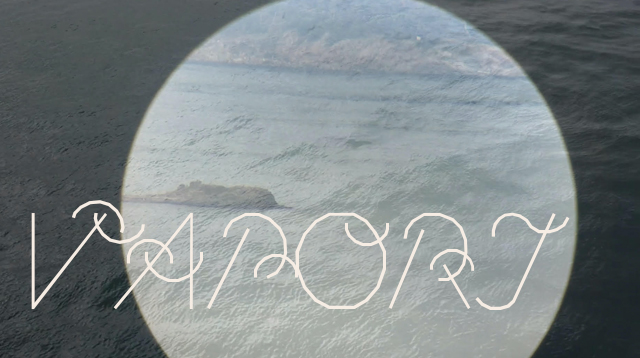
Vapori is an exhibition that brings together a group of artists and designers engaged in research art processes related to a wide range of socio-political contexts. The works have been thought and executed, having as a common substrate the collective digital meetings and coffees that the group had between October 2020 and April 2021. A blog fed and collected the exchanges, and it is a trace of the process: admacoffee.tumblr.com.
“3… 2… 1… Contact.Being with, talking to, feeling close to, sharing with, comparing between, teasing about, feeling in a circle of safety, in a flow of practices.A group by chance.Not a manifesto, not a technique, not a common vision or ideology: just a subtle ongoing exercise of inclusion and respect, curiosity and critical analysis, doubt and enthusiasm. Chatters and hugs to be recovered, to be simulated, to be resurrected.How to mend the distance, how to nurture practices, thoughts, desires and caring with…?This digital exhibition is the cause and effect of maintaining contact between a group of artists. We have developed strategies of tele-presence, tele-sharing, tele-vision, and tele-exhibition. The works were created during a digital relational process that began in October 2020. Our blog collects the input and leftovers we carried both individually and together to create connections and reflections on our research during our virtual cafés together.Some of the artists conjured up a video, some supported the others in the process of making.”
Artists: Eleanor Banfield | Clara Begliardi Ghidini | Tilly Collins | Dasha Konovalova | Eve Williams
Partners: Visualcontainer TV | Vegapunk | Arts University Bournemouth
The exhibition presents five artists exploring the practice of the video-trouvé as a tool to look at one’s own research through the eyes of others: a core topic to face nowadays where human interaction and perception of reality is continuously glitching within screen interfaces.
The exhibition borns in the frame of VVV Residency: a virtual space for critical reflection on the online video flux where five artists have been invited to browse and critically analyze free video libraries and online archives to merge the personal research with a pre-existing collective imaginary.
The video works can be considered as a result of digital conversation. Conversations and editing that glues together artists’ personal practice to the web, via the exchange with the other artist in residency and the curators – in an open process that has been documented and nourished by the blog https://vvvres.blogspot.com/. The blog is a kind of shared diary of images, videos and references enlightening the visual link between the researches and the final video works.
Giulia Grechi and Salvo Lombardo curated the n°35 edition of Roots&Routes titled Anche le statue muoiono (January 2021). I’ve contributed with a text and a video under the title “Twelve. There is no age, no place, no time to become a slave”. The work is a digital hack of Montanelli monument in Milan.
Thank to all the people that decided to take a stand against that patriarchal and colonial landmark.
image credit: Twelve-year-old Susanna photographed by her father using an evanescent effect
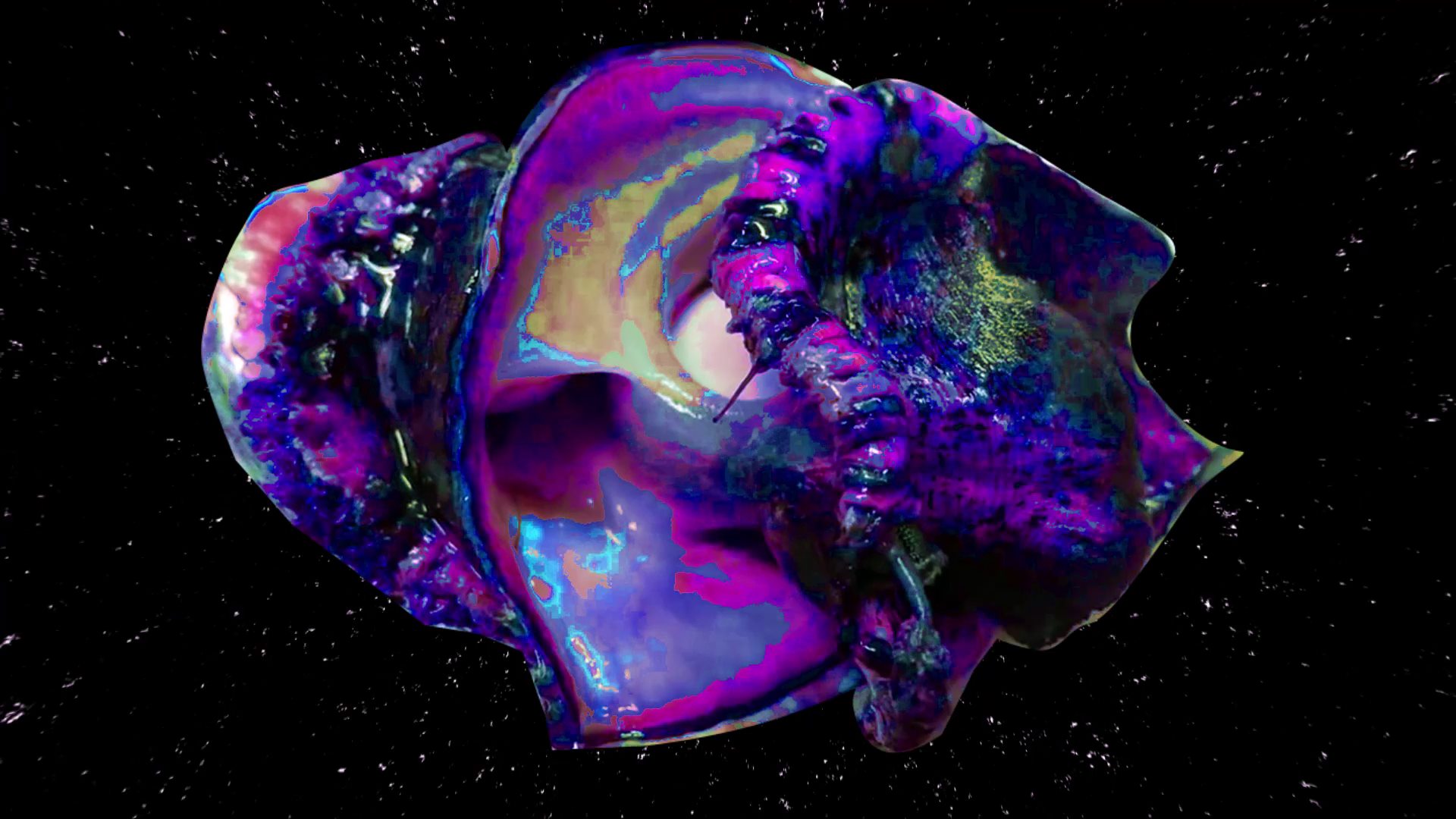
still form the video “Silent Empress” by Sophie Ernst, part of “Tips to make sense of them” exhibition.
Valentina Mutti and I have been sharing reflections on some monuments, on my practice and on other artist approaches to those public objects. Here you can find the link to the conversation we edited for Triennale Museum site: triennale.org/en/magazine/hacking-monuments
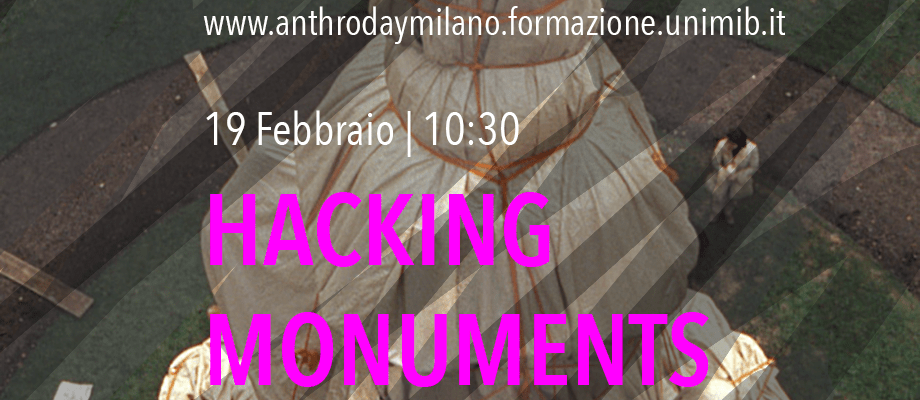
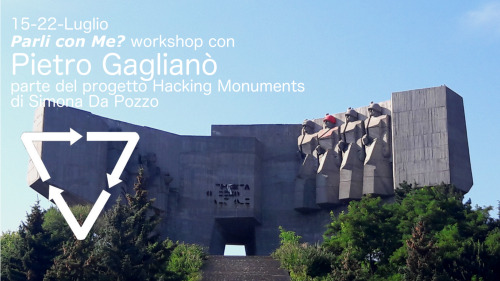
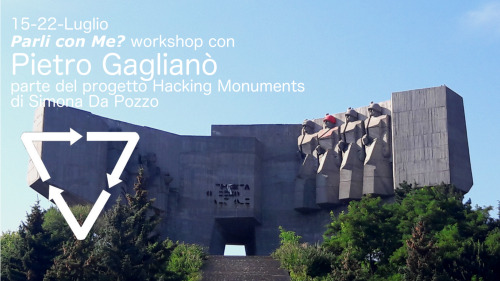
During the six online meetings, Pietro develops a reflection on the current perception of public monuments in Milan, outlining a geography based on the experience of the participants. The workshop will analyse how and for what purposes the monuments have been created and developed.
Participants: Giuseppe Mongiello, Matteo Tenardi, Vera Pravda, Gianluca Gramolazzi, Emil Cottino, Irene Sofia Comi, Ludovico Riviera.
Pietro Gaglianò deals with the relationship between art and the public sphere. He believes that every action and every thought is expressed in a political dimension of living together; 2016 saw the volume dedicated to the aesthetics of power, “Memento. L’ossessione del visibile”, Postmedia Books. In 2020 he published with Gli Ori the volume “La sintassi della libertà. Art, pedagogy, anarchy.”
Exhibition @ VisualcontainerTv From the 2nd of July to the 2nd of August 2020
Artist: Marcio Carvalho (PT/DE) – Simona Da Pozzo (IT/NL) – Sophie Ernst (NL/Uk) – Kiluanji Kia Henda (AO/PT) – Sara Vanagt (BE)
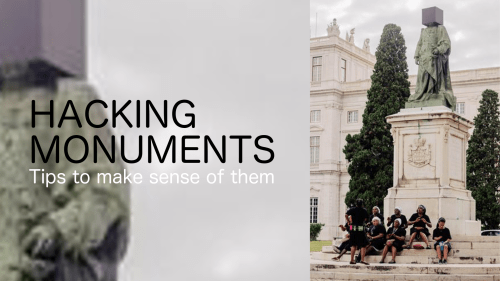
Hacking Monuments. Tips to make sense of them is an exhibition i curated in the frame of my Hacking Monuments Public Program for Triennale Milano in 2020. This project has been realized in collaboration with VisualcontainerTV.
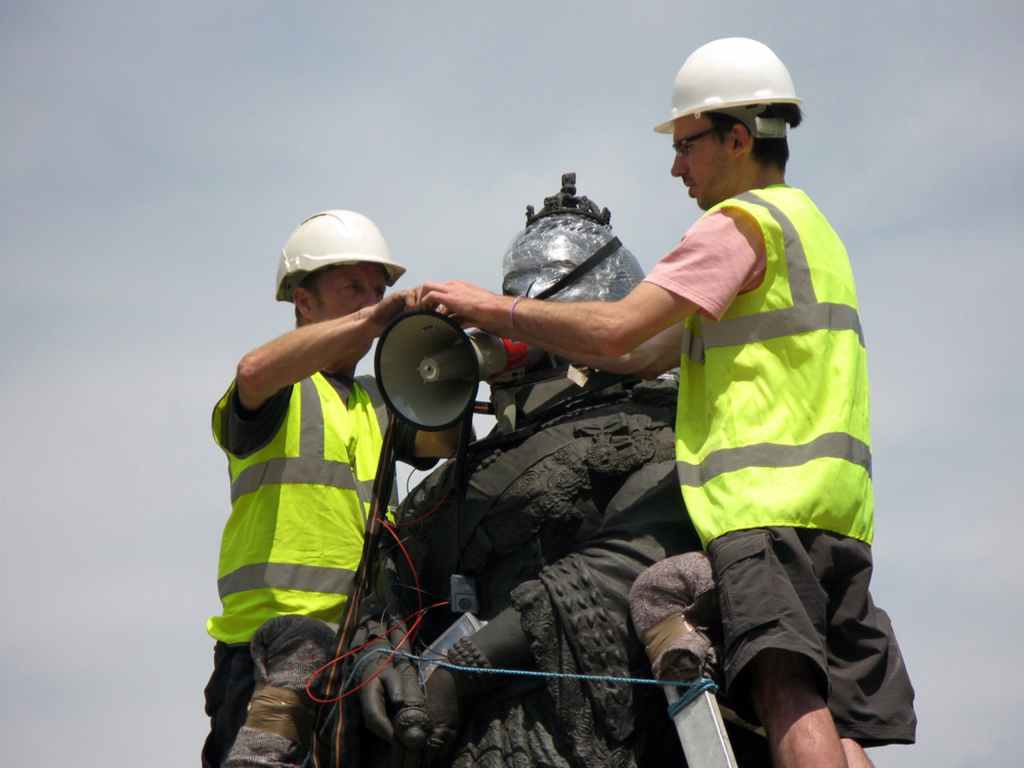
Tips to male sense of them explores the phenomena of hacking monuments, by hacking and weaving multilayered connections between monuments, denizens, activists and artists. Since ’70s, several artists have been dealing with the legacy of the power by interrupting the narrative flux of monuments. Denizens and activists join this practice to speak out. All these actors transform the monuments in a space of socio-political dialogue, as we can all testify these days. Besides the artistic and activist intervention, the research focuses on the performative act of confronting the claim of the permanence of the monument; the ritual act of re-coding the appearance of the monument, and, with it, its power to inform the reality. Some hackers use monuments as mannequins: the monument supports an object that is the real protagonist and signifier of the action. The object dresses the monument, which becomes interchangeable. Some other hackers act in a way I call “monument specific”: interventions that only make sense with that very object, in that very context.
The exhibition Hacking Monuments. Tips to make sense of them presents: Marcio Carvalho (Lisbona/Berlino), Simona Da Pozzo (Napoli/Rotterdam), Sophie Ernst (Rotterdam/Wakefield), Kiluanji Kia Henda (Luanda/Lisbona) e Sara Vanagt (Bruxelles), working with monuments in a performative way. This performative essence of the interventions is translated in two ways. One sees the action as a ritual where a reciprocal redefinition between the monumental object and the artist happens; a ritual of the transformation of the reality. In another one, the artist uses the monument as a body voicing issues and communities.
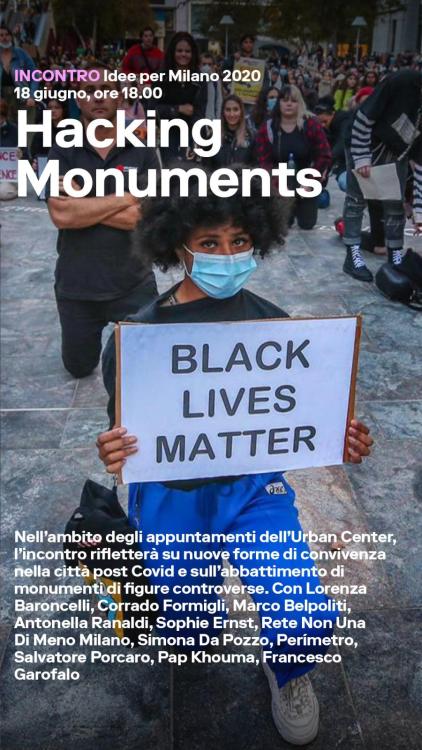
This meeting is the first of the series of Hacking Monument public program I curate for Urban Center Triennale Milano 2020.
My research Hacking Monuments guides this meeting at Triennale Milano: In particular I’m very happy to be in conversation with Sophie Ernst, one of the dear artist of “Tips to make sense of them”, and Rete Non Una DI Meno Milano.










 simonadapozzo.com